March 18, 2010
Jeremy Hance
| |
"Rapid changes to the Arctic's ecosystems will have consequences for the Arctic that will be felt globally. The Arctic is host to abundant and diverse wildlife populations, many of which migrate annually from all regions of the globe. This region acts as a critical component in the Earth's physical, chemical, and biological regulatory system," lead-author Louise McRae from the Zoological Society of London (ZSL) said in a press release.
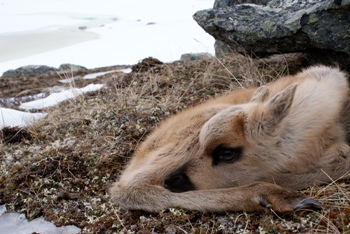 A caribou fawn. Researchers are concerned about a significant drop in the caribou population (known as reindeer when domesticated) worldwide. It may be a natural cycle or due to human actions, such as climate change. Photo by Joelle Taillon. |
"Migratory Arctic species such as brent goose, dunlin and turnstone are regular visitors to the UK's shores. We need to sit up and take notice of what's happening in other parts of the world if we want to continue to experience a diversity of wildlife on our own doorstep," Louise McRae adds.
Loss of sea ice is also a concern for a number of high Arctic species, such as polar bears, narwhales, and ringed seals, all of employ sea ice in one way or another to survive. Studies have shown declines in polar bear populations in some areas.
However, the news is not all gloomy. When all the Arctic biomes are included—high Arctic (most northerly), low Arctic (between high and sub), and sub Arctic (most southern)—species populations have actually risen by 16 percent in the past 34 years.
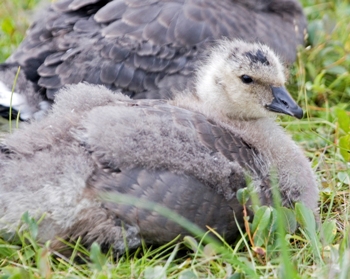 Canada goose gosling: some migrating geese are on the rise due to a decline in hunting and increased agricultural waste in their wintering grounds. Photo by Donna Dewhurst/USFWS. |
"The establishment of these results comes at a crucial time for finding accurate indicators to monitor global biodiversity as governments strive to meet their targets of reducing biodiversity loss," says co-author Christoph Zöckler from the UNEP-World Conservation Monitoring Centre.
The Arctic Species Trend Index measured populations of nearly a 1,000 Arctic vertebrates, approximately 35 percent of the regions' vertebrates.
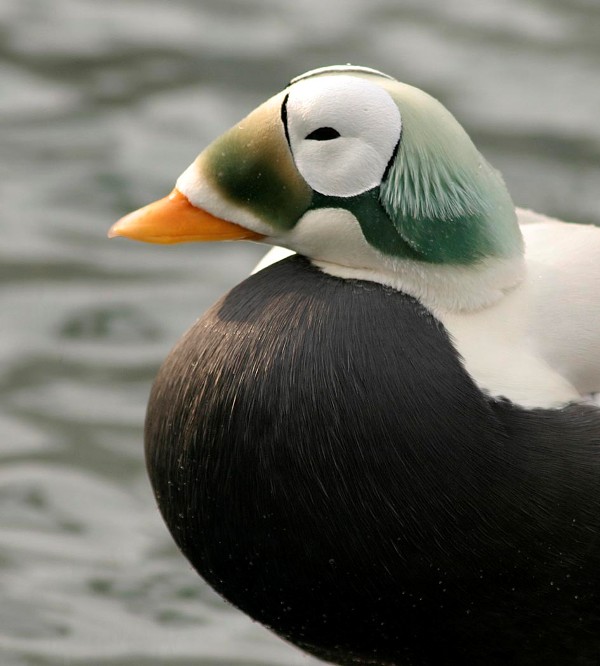
The beautiful spectacled eider. Photo by: USFWS.
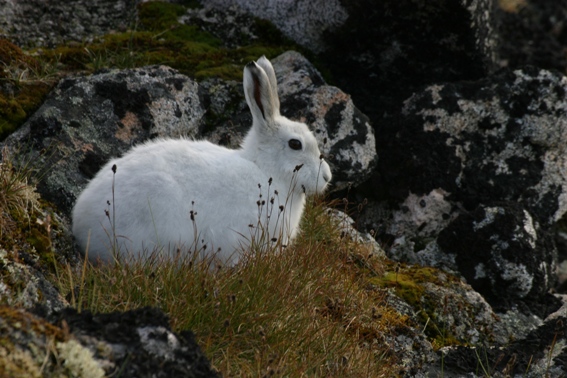
The Arctic hare. Photo by: Carsten Egevang.
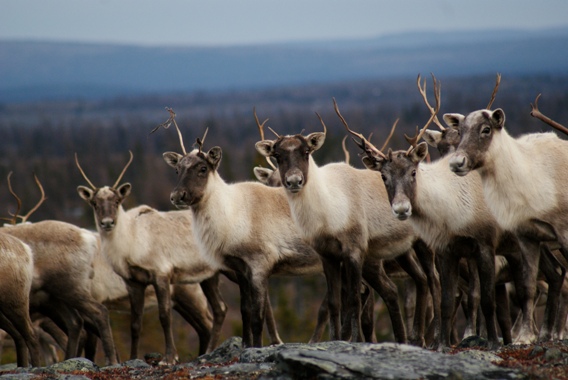
Caribou herd. Photo by: Joelle Taillon.


 Posts
Posts

